
Tunova Labs logo

Tunova Labs

Motion graphics — structured for global learners

Motion Graphics Program

What does it take to make something actually move people?

Studying motion graphics means learning to control time, rhythm, and visual weight simultaneously. The program at Tunova Labs builds that skill layer by layer — starting from principles that explain why things feel off, and ending with production workflows that work under real deadlines.

See upcoming webinars
Motion graphics production in progress — layered composition on screen

How the program is structured

Four sequential stages, each building directly on the last. No stage is optional — the sequence reflects how animation knowledge actually compounds.

01

Timing and easing from scratch

Before touching software, you spend two weeks understanding why certain motion feels mechanical and others feel alive. Slow-in, slow-out, and anticipation are analyzed through reference footage rather than plugin presets.

02

Composition and visual hierarchy

Moving objects compete for attention. This stage teaches you to sequence visual weight deliberately — which element enters first, how long it holds the frame, and when to clear space for the next idea to land.

03

Layered production in After Effects

Practical work in After Effects with an emphasis on keeping projects maintainable. You will build modular compositions that a colleague could open and understand without a handoff document.

04

Finishing and delivery

Export settings, codec choices, and the small decisions that separate a file that looks right from one that looks wrong after compression. Covers delivery for broadcast, social, and web simultaneously.

Recorded lecture archive

Every session is recorded and indexed. You can return to any moment from any device without losing your position in the material.

Peer review sessions

Work gets reviewed in small groups, not just by instructors. Explaining what bothers you about someone else's timing sharpens your own perception considerably.

Project files included

Instructor source files are shared at the end of each unit. Seeing how a practiced workflow is organized inside a project teaches habits that tutorials rarely mention.

Access regardless of location

The program is fully asynchronous. Students from different countries attend the same cohort without timezone conflicts affecting their progress or participation.

The people who teach and study here

Instructors at Tunova Labs come from production backgrounds, not from academia. Students arrive with different starting points and different goals — the program is designed to accommodate both.

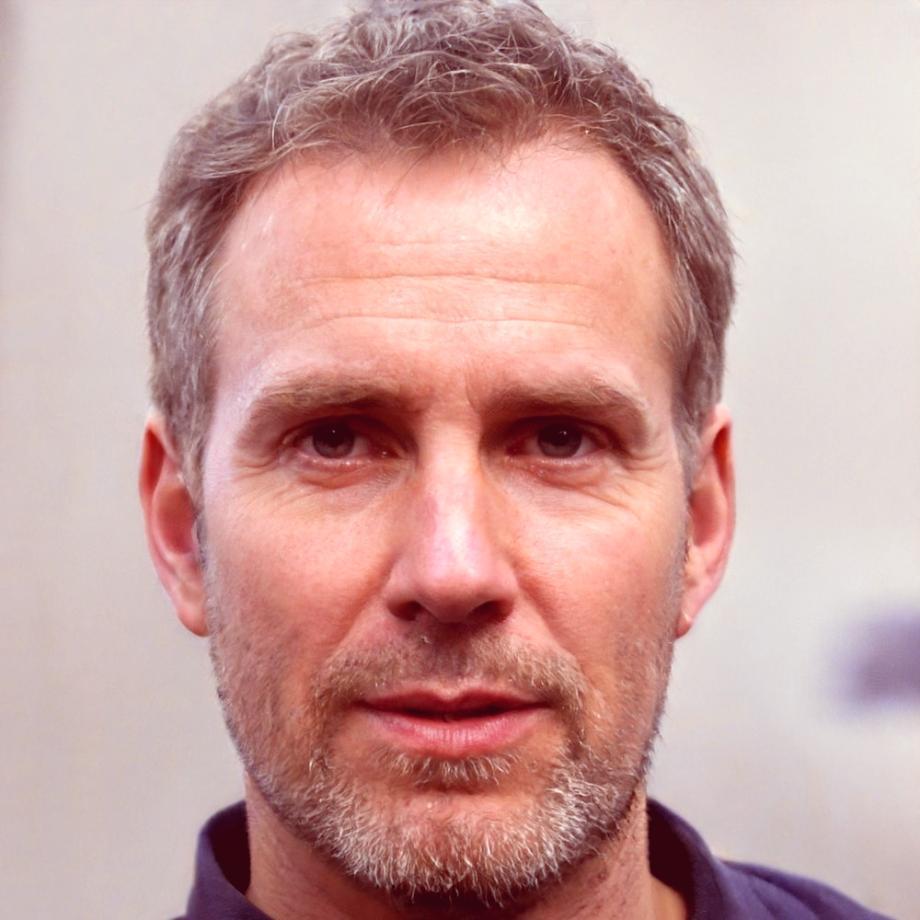
Instructor portrait — male

Oleg Marchenko

Lead instructor, compositing

Focus area

After Effects, expression-based rigs

Background

11 years in broadcast production

The hardest part of teaching motion is getting people to watch things slowly. Once they do, the technical problems tend to solve themselves.

Instructor portrait — female

Darya Kovalenko

Instructor, motion design principles

Focus area

Typography in motion, brand systems

Background

Agency work across UA and PL

A lot of students already know what looks good — they just can't yet explain why something doesn't. That gap closes faster than most people expect.

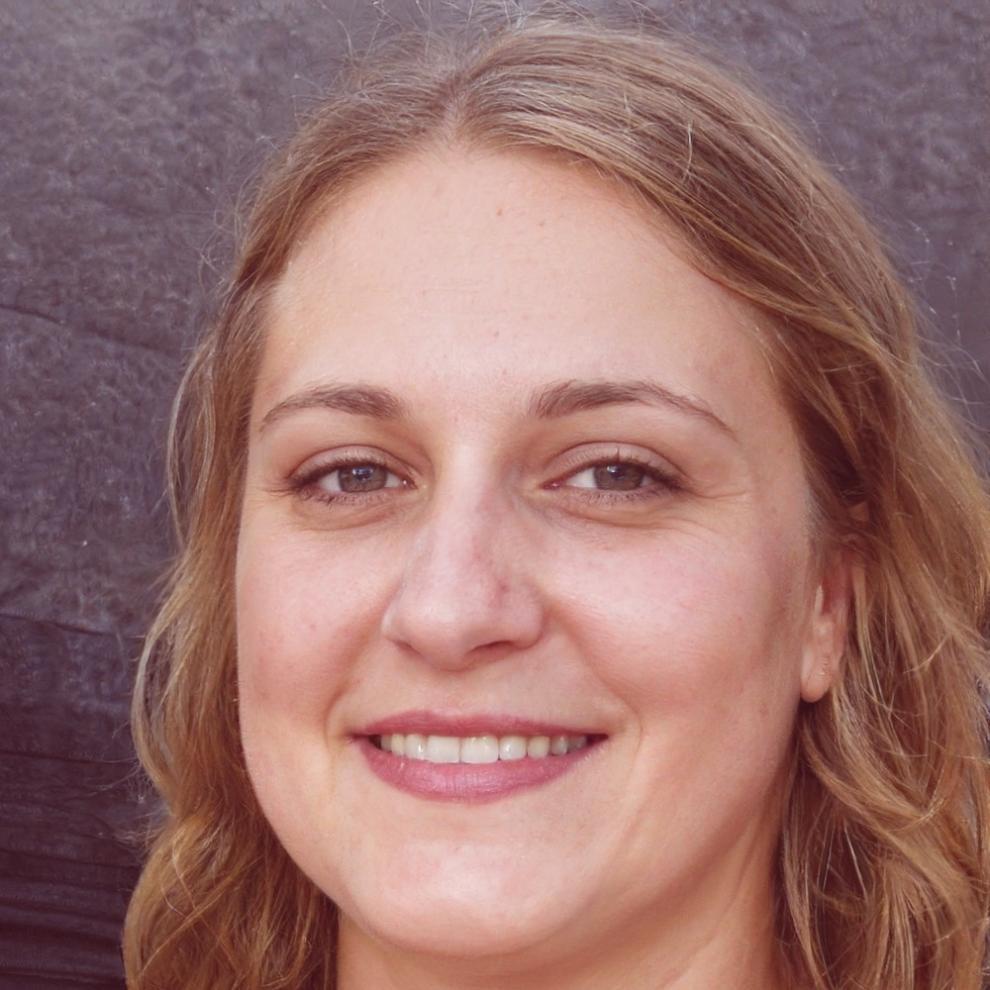
Student portrait — female

Iryna Savchuk

Program graduate
Joined the program with a graphic design background and no animation experience.

The peer reviews were uncomfortable at first. Having to articulate what was wrong with someone's timing forced me to build a vocabulary I didn't have before — that vocabulary is what I use every day now.

Student portrait — male

Vasyl Hrytsenko

Program graduate
Attended from Lviv while working a full-time job in video editing.

Asynchronous format meant I could go through dense material at my own pace. The recorded lectures didn't replace live instruction — they made it possible to actually absorb what was said instead of just surviving the session.